
Efficient Vessel calls
On-Time Turnarounds
Better Terminal Output
Marinus operations optimization processes improve vessel
readiness and cargo flow for marine terminals and port
operators.
We combine planning expertise with real-time coordination.
The result is fewer delays, higher productivity, and one
clear source of information.
Why is Optimization needed ?
Manual Operations
In-efficient processes & SOPs, and limited in-house capacity make it hard to keep up with last-minute changes and KPI targets.

Disconnected communication
Fragmented coordination between lines, agents, terminals, and planners creates delays, confusion, and costly errors.

High Operational cost
Labor and equipment are expensive, so even small delays can quickly increase costs for terminals and shipping lines.
Industry Reality
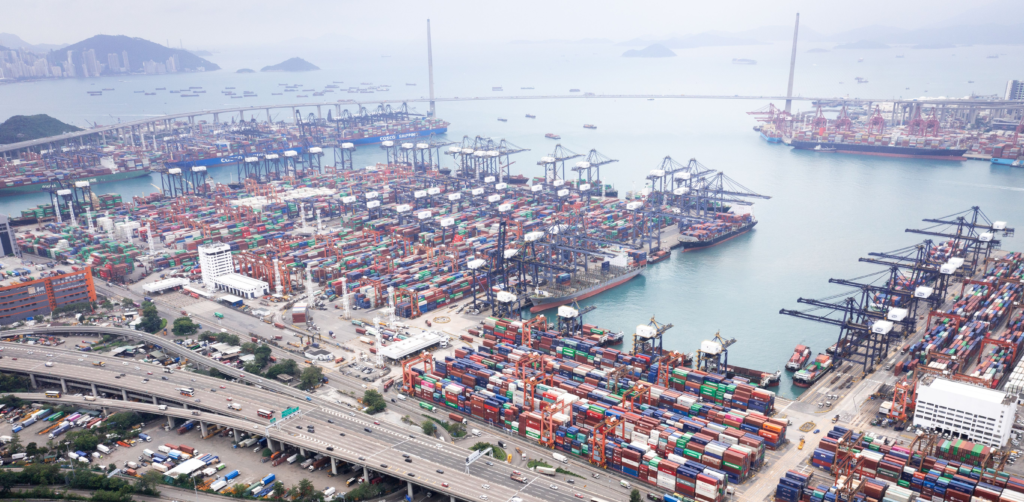
Many terminals still rely on fragmented & unorganized emails communication system, basic spreadsheets, reactive shift planning, and siloed decision-making. Problems are often solved after they happen, leading to crane and equipment idle time, unaccounted rehandles, billing leakage and inefficiency, and missed productivity KPI targets.
Studies have shown that an optimized port may result in a 15% reduction in internal port costs and a 25% decrease in logistics costs per ton, without requiring new superstructures. By classifying containers based on their multiple attributes and optimizing the handling sequence of the same-type containers, may result in cost reduction of up to 8.9%.
What is stopping you from becoming an Optimized Port ?
stakeholder Fragmentation
Unaligned coordination, unreliable ETA data & documentation can disrupt vessel calls, cause berth idle time, and create costly surprises.

Operational inefficiencies
Uncertain turnaround times, crane downtime, and late cargo arrivals reduce productivity and increase berth occupancy costs.

Suboptimal Yard planning
Uncertain turnaround times, crane downtime, and late cargo arrivals reduce productivity and increase berth occupancy costs.
Terminal Optimization Overview
Pre-Arrival
Best for: Safe, efficient pre-arrival vessel coordination and disruption-free calls.
-
Pre-Arrival Coordination
Single-window communication with the central planners, lines, and agents.
-
ETA Management
Track ETAs, coordinate updates, & keep teams informed in real time.
-
Vessel Setup
Build vessel profile in TOS, validate vessel drawings & lashing plan.
-
Import/Export Strategy
Coordinate strategy with the terminals regarding empty & full units.
-
Data Integrity
Process BAPLIE, clear EDI errors, & create a single accurate stowage plan.
TERMINAL EFFICIENCY
Best for: 24/7 operations oversight, real-time updates & coordinated execution.
-
24/7 Operations
Oversight of liner vessel operations, coordination with lines & terminals, & shift performance in real time.
-
Dynamic Operational Adjustments
Coordinate cargo operations every shift to keep operations running smoothly.
-
Late Gate Coordination
Manage late cargo, adjust stowage, & reduce crane downtime where possible.
-
Documentation & Compliance
Validate cargo documents & maintain the accuracy of BAPLIE/MOVINS.
-
Daily Coordination
Run pre-ops & daily meetings to align teams.
TERMINAL EFFICIENCY PLUS
Best for: Yard optimization, rehandle reduction & better asset utilization.

-
Mix-Pile Optimization
Coordinate with the terminal to avoid cargo misplacement and minimize delays and rehandling.
-
Predictive Analysis
Coordinate with terminal unplanned events, restows, holds, & operational disruptions quickly.
-
Yard Optimization
Optimize yard allocation using planning data & liner requirements.
-
Cargo Visibility
Monitor rail, truck, & inland movements to support timely vessel readiness.
Why Marinus?
Proven in Terminal Environments
Experience supporting port and logistics operations
Terminal & Logistics Expertise
Deep expertise in terminal and logistics operations

Execution-Focused Delivery
From strategy to implementation without handoffs
Start Your Sustainability Journey
Begin with a focused sustainability readiness assessment designed for terminal operations.
-
Rapid sustainability readiness assessment
-
Clear priority roadmap aligned to your operations
-
Defined execution plan with measurable outcomes